The Laugh After the Cry
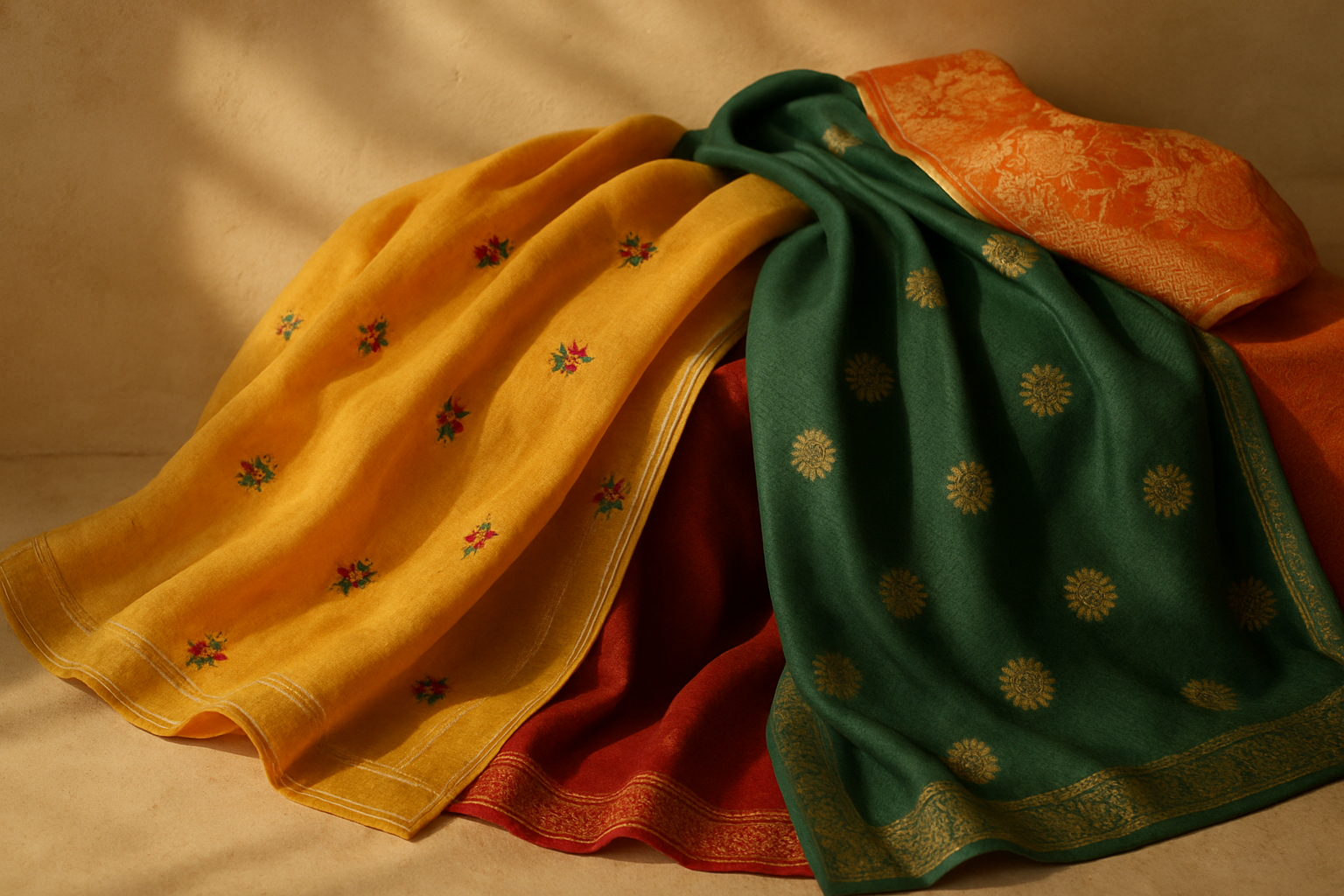
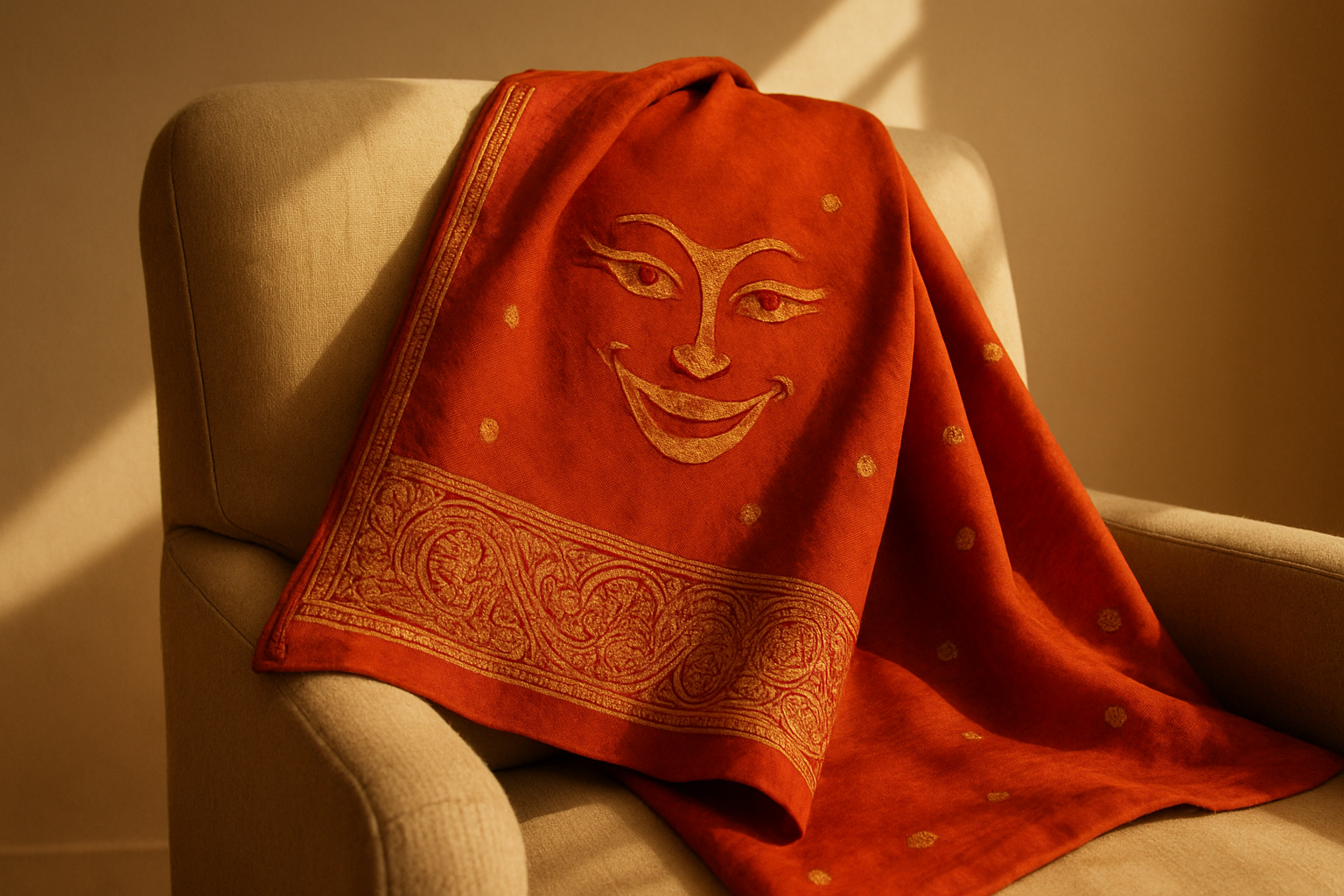
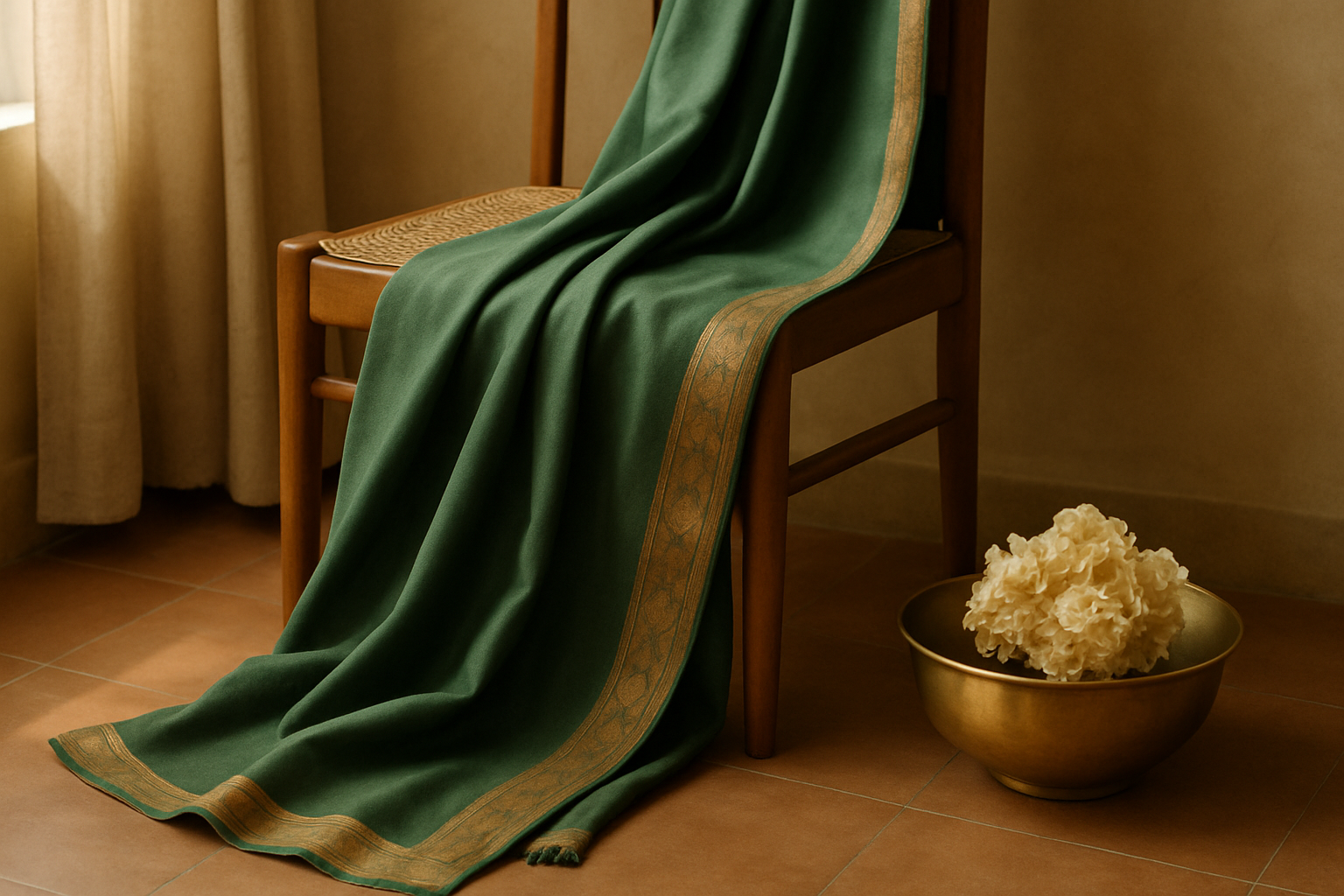
Sadness that turned into joy mid-sentence. Two colours that should not work together and absolutely do.
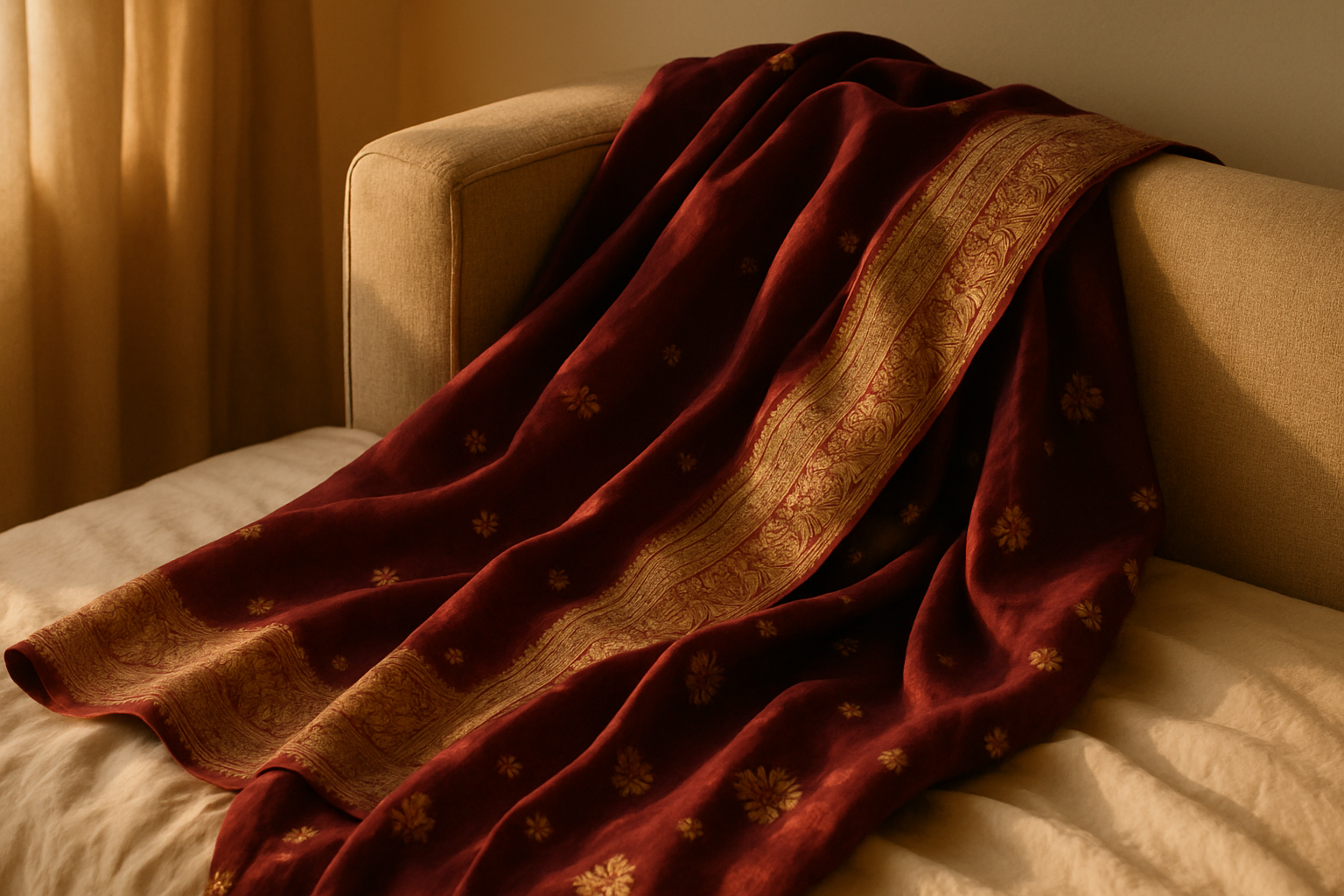
The Laugh After the Cry
You were crying. Not the pretty, contained kind — the kind where your face does that thing and your nose runs and you are sitting on the floor of your room because the chair felt too formal for the scale of the feeling. And then, mid-sob, something happened. A text arrived. A song came on. You caught your own reflection in the phone screen and looked so wrecked that you laughed.
The laugh after the cry. Two colours that should not work together and absolutely do.
The pivot nobody plans
You cannot engineer this moment. You cannot schedule the laugh after the cry the way you schedule a meeting. It arrives on its own, in the middle of the blue, and it does not cancel the blue — it sits next to it. The tears are still wet. The sadness is still real. And somehow, in the same hour, there is joy. Not instead of the sadness. Alongside it.
This is the contradiction the fortnight has been building toward — the idea that feelings do not take turns. You do not finish being sad and then start being happy, as if emotions are queued and processed one at a time. They overlap. They braid. A bad day ends with a good text and the bad day does not become a good day — it becomes a day that was both, and the both is more honest than either one alone.
What the pivot actually tells you
The laugh after the cry is not the sadness being fixed. It is the sadness being joined. And that distinction matters, because the pressure to fix sadness is the mood policing this fortnight refuses. You do not have to choose happiness. You do not have to be positive. But you also do not have to commit to sadness as a permanent address. The laugh does not invalidate the cry. The cry does not invalidate the laugh. They are both real, they happened in the same hour, and the girl who felt both is not inconsistent. She is the full picture.
Blue is longing, sensitivity, calm. Orange is joy, chaos, spontaneity. Together they are the colour of a day that refused to be one thing — a day that was wrecked and then, for no good reason, was fine. Not fine in the way that means everything is okay. Fine in the way that means you are still here, still feeling, and the feeling is not done with you yet.
Why this is the most honest colour
If the fortnight has a thesis, it is this: the contradiction is the beauty. Not the kind of contradiction that is tidy — not “she was sad but then she was happy.” The kind that is messy. The kind where the cry and the laugh happen in the same sentence and you cannot separate them and you should not have to.
The girl who can laugh while she is still crying is not in denial. She is not performing resilience. She is feeling two things at once, which is what feelings actually do, and the world that taught her to pick one and present it cleanly is the world that has been lying to her about how feelings work.
How to hold both
Do not rank them. The laugh is not more real than the cry. The cry is not more honest than the laugh. They are the same feeling wearing two faces, and the girl who can hold both without choosing is the girl who knows her own multitudes.
Do not explain the pivot. People will ask why you are laughing. You do not owe them a reason. “I was sad and then I was not and now I am both” is not a sentence that makes sense to someone who thinks feelings are linear. It makes sense to you. That is enough.
Let the day be what it is. Not a good day. Not a bad day. A day. A blue-and-orange day. The kind you cannot summarise in a single word because the single word would be a lie, and you are past the point of lying about how you feel.
What colour are you today? Maybe it is blue and orange. Maybe you cried and laughed in the same hour and you are still figuring out which one you are. The answer is: you are both. You are never just one thing. The contradiction is the beauty, and the laugh after the cry is the most honest colour in the whole palette.
All your moods belong. Even the ones that share an hour. Even the ones that contradict each other mid-sentence. The spectrum is not a sequence — it is a life, and lives do not go one colour at a time.
“The laugh does not invalidate the cry. The cry does not invalidate the laugh. They are both real, they happened in the same hour.”
The Bindee Take
The girl who can laugh while she is still crying is not in denial. She is feeling two things at once, which is what feelings actually do.

End of story. Filed under Culture.